As discussed in Toxic Haze Crisis: How the Beauty Industry Supply Chain is Connected, the beauty industry has in recent years faced a reckoning over palm oil and deforestation. The toxic haze crisis in Southeast Asia exposes further ecological dilemmas in relation to the transition to a “green” economy.
Indonesia is not only the world’s largest supplier of palm oil, it is also the world’s dominant nickel producer. Nickel is listed by the EU as a critical and strategic raw material. In 2020, Indonesia implemented a full ban on all unprocessed nickel ore, which resulted in China building processing hubs in Indonesia.
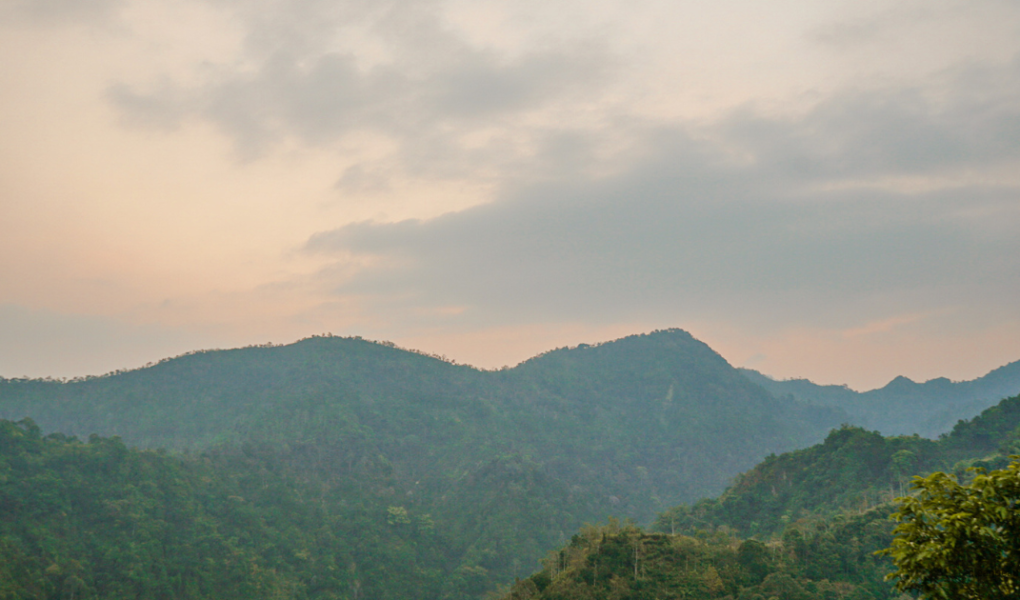
Open-pit nickel mining requires the large-scale clearing of tropical forests, and by destroying forests, the remaining undergrowth dries out leaving the land susceptible to devastating seasonal wildfires. The same Indonesian regions that bear the brunt of the beauty industry’s palm oil scrutiny are being physically degraded by an entirely separate global demand.
Why is nickel ‘critical’ to the green economy? The fastest-growing driver of demand is not cosmetics, but EV battery manufacturing. To meet aggressive climate targets, the global auto industry is converting internal combustion engines to electric powertrains. While alternatives such as LFP (Lithium Iron Phosphate) batteries exist, the extreme environmental degradation caused by lithium extraction reveals a deep irony: the ecological cost required to manufacture a “zero-emission” vehicle.Clean beauty does not operate in a macroeconomic vacuum.
The beauty industry has spent years striving for ethical supply chains, building complex tracking frameworks for sustainable palm oil, policing its own footprint. Yet it now finds itself competing for the very survival of those same tropical ecosystems. Even if the beauty industry were to do everything perfectly, its sustainability goals can be disrupted by the actions of a completely different sector