Cheap & Aggressive Preservatives Hiding in Your Eye Makeup Remover?

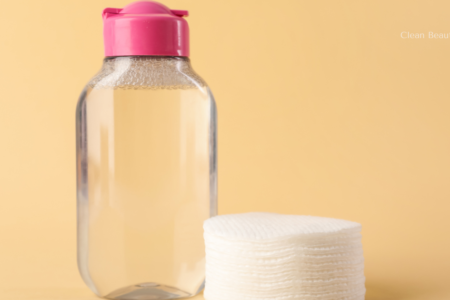
When you buy a product specifically designed for the delicate eye area, you expect it to treat your skin—and your eyes—with absolute care. Unfortunately, many conventional beauty brands cut corners exactly where it hurts the most: their preservative systems. Cost-Cutting Culprits Many mass-market eye makeup removers rely on Benzalkonium Chloride (BAK) and Methylparaben. These are …

Biotech Is Rebuilding Global and Chinese Fragrance Pipelines

In a previous feature, Will the Fragrance Industry Have to Come Clean?, we highlighted the issue of corporate trade secrecy and consumer demands for safety in China’s rapidly expanding luxury fragrance market. For decades, the global fragrance ecosystem operated behind a regulatory fortress, using generic labels like”Fragrance” or “Parfum” on packaging, heritage brands were legally …

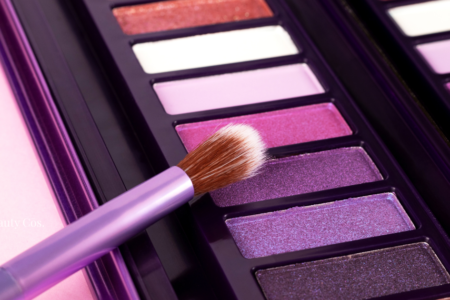
A palette of vibrant pink and purple eyeshadows, which often contain carmine in eye makeup that can trigger allergic reactions.

The Carmine Paradox: Why “Natural” Eye Makeup Triggers Underreported Allergies

One of the most impactful advancements in modern cosmetics is the shift away from synthetic, petroleum-derived dyes (such as Red 40) in favor of non-chemical alternatives. Clean beauty brands have successfully built highly engaged audiences by pioneering this standard of ingredient purity and transparency. As the industry continues to mature, ingredient science is helping brands …

Freshwater sponge Spongilla lacustris underwater, the biological source of skincare spicules.

The Unexpected Truth Behind Skincare’s ‘Liquid Needles’

An ingredient called a spicule is becoming an increasingly visible addition to modern skincare lines. Frequently marketed under terms like “microneedling in a bottle” or listed on the back of packaging as “Hydrolyzed Sponge” or “Silica”, these are microscopic, needle-like skeletal fragments harvested from marine and freshwater sponges. When massaged into the face, these tiny …

A minimalist studio-style shot of cosmetics to highlight PFAS in supply-chain.

The Real Reason “Forever Chemicals” Are Still Being Detected in Makeup (And How to Stop Worrying)

PFAS (per- and polyfluoroalkyl substances) are synthetic chemicals used in beauty products to repel water and oil. In makeup, they act like an invisible raincoat to create “all-day” staying power. They are called “forever chemicals” because they do not break down in the environment or the human body. However, as intentional PFAS are rapidly engineered …

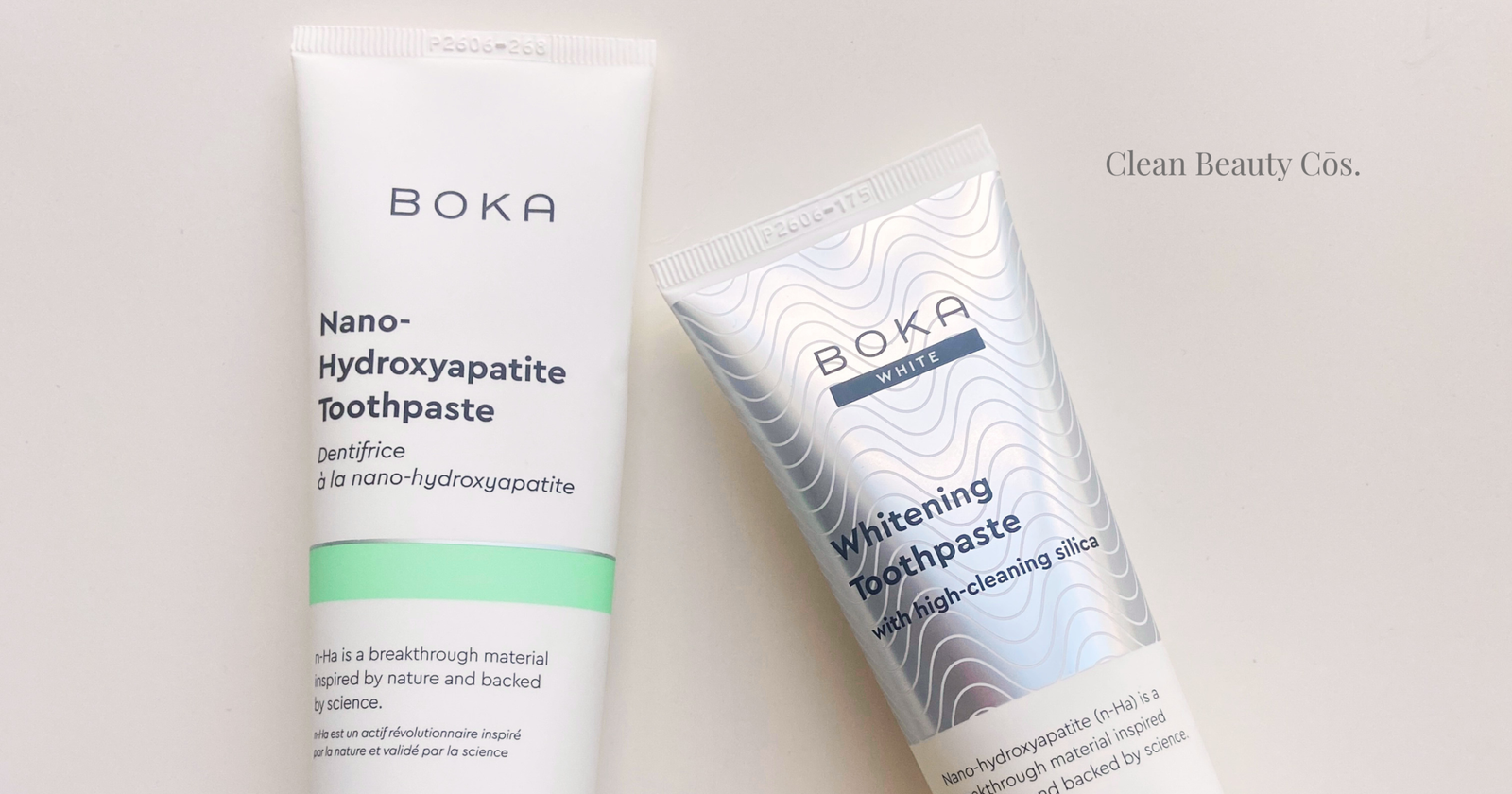
Boka vs Apagard: Boka nano-hydroxyapatite and Boka White whitening toothpaste tubes

The Clean Enamel Revolution: Why Hydroxyapatite is Rewriting Oral Care

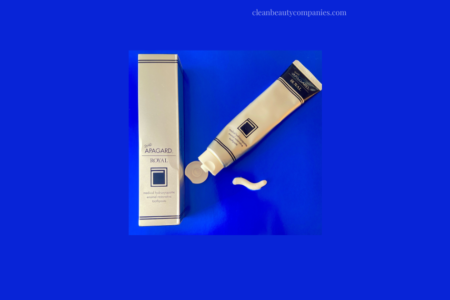
As clean beauty evolves into a proactive wellness lifestyle, conscious consumers seek smarter ingredients. Enter Nano-Hydroxyapatite (nHAp), a biocompatible, non-toxic mineral that remineralizes teeth without the chemical baggage. From the Space-Age Rabbit Hole to Daily Luxury If you caught our recent exploration into the world of luxury imports, where we featured Japan’s $35 NASA-inspired Apagard …

Two Kiwis a Day Keep the Dermatologist Away

High-End Serums vs. Whole Foods: Saving Your Skin and Your Wallet While a luxurious skincare routine offers a lovely sensory experience, true cellular transformation comes from the inside out. Slathering on expensive topicals can feel wonderfully indulgent, but for real, structural results, the ultimate beauty hack might actually be found in the produce aisle. By …

Nature’s Red Light Therapy: What Sunrises Can Teach Us About Collagen

Sunlight teaches us that collagen doesn’t need aggressive treatments or high-tech gadgets—it responds best to the gentle, filtered red light of early morning and early evening. It’s no wonder, then, that red light therapy has become one of the most popular innovations in skincare. The technology was designed to mimic what nature already provides: targeted …

The Silver Standard: Why Authenticity is the Ultimate Luxury in Clean Beauty

Clean hair care is no longer a niche — it is the standard for conscious consumers. Today’s consumers are seeking products that deliver performance without compromise: formulas that are safe, transparent, and thoughtfully designed. From ingredient integrity to sustainable sourcing, clean hair care blends science, artistry, and responsibility, proving you don’t need harsh chemicals to …