An ingredient called a spicule is becoming an increasingly visible addition to modern skincare lines. Frequently marketed under terms like “microneedling in a bottle” or listed on the back of packaging as “Hydrolyzed Sponge” or “Silica”, these are microscopic, needle-like skeletal fragments harvested from marine and freshwater sponges. When massaged into the face, these tiny shards physically puncture the skin barrier, creating micro-channels that allow subsequent cosmetic ingredients to absorb deeper into the tissue.
While professional spicule peels have been utilized in niche South Korean dermatology clinics since around 2006, the ingredient has shifted out of treatment rooms and into standard retail formulations sold across North America.
Yet behind the marketing of “liquid needle” creams lies a transparency gap–and a fascinating environmental puzzle.
The Hidden Label: How Would You Even Know?
If you walked into a beauty store today, you could easily buy a spicule product without ever realizing it. The cosmetics industry rarely advertises the true origin of the material on the front packaging. Instead, marketing departments use high-tech buzzwords like “Micro-Spikes,” “Reedle Shots,” or “Bio-Microneedling” to make the physical pricking sensation sound like lab-designed machinery.
To find out what you are actually putting on your face, you have to decode the ingredient list on the back of the product. The ingredient hides behind sanitized, technical terms:
- Hydrolyzed Sponge: The most common official designation. Consumers reading this naturally assume it is a soluble, liquid conditioning agent rather than solid, microscopic needles.
- Spongilla Lacustris Extract: A term used for freshwater sponge fragments. Because it ends in extract, it sounds like a harmless botanical tincture, masking its abrasive physical structure.
- Silica: In some formulas, the processed needles are simply lumped into the ingredient deck as silica, a common mineral powder used in thousands of standard cosmetics.
The Skincare Appeal: How Spicules Work on the Skin
Transparency in the supply chain is essential, but it is equally important to understand why this ingredient has gained so much traction. Spicules are considered a highly effective mechanical delivery system for people looking to improve skin texture.
Because the skin barrier is naturally designed to keep foreign substances out, many traditional creams and serums simply sit on the surface. By creating thousands of temporary, invisible pathways, spicules act as microscopic delivery vehicles that help potent actives—like hyaluronic acid, niacinamide, and peptides—absorb deeper into the tissue.
It is said that what truly sets biomicroneedling apart from traditional topicals is its ability to radically compress the skin’s natural clock. While a standard cellular renewal cycle takes about 28 days, the continuous stimulation from embedded spicules tricks the skin into an accelerated repair mode, shrinking that turnover timeline down to a mere 7 days. This rapid-fire shedding process forces fresh cells to the surface. By triggering a sudden surge of localized collagen and elastin production to heal these microscopic punctures, the treatment actively plumps the look of fine lines and works to smooth out stubborn acne scarring from the inside out.
Beyond boosting product performance, the physical presence of spicules triggers a mild, controlled exfoliation response. This localized stimulation encourages the skin’s natural renewal process. Users frequently report that this accelerated turnover helps clear pores, fade post-blemish discoloration, smooth out rough patches, and promote a brighter, more radiant complexion without the cost or downtime of professional clinical treatments.
Nature’s Ultimate Power Filters
Many people would think twice about using these products if they understood the vital ecological role of the organisms being harvested.
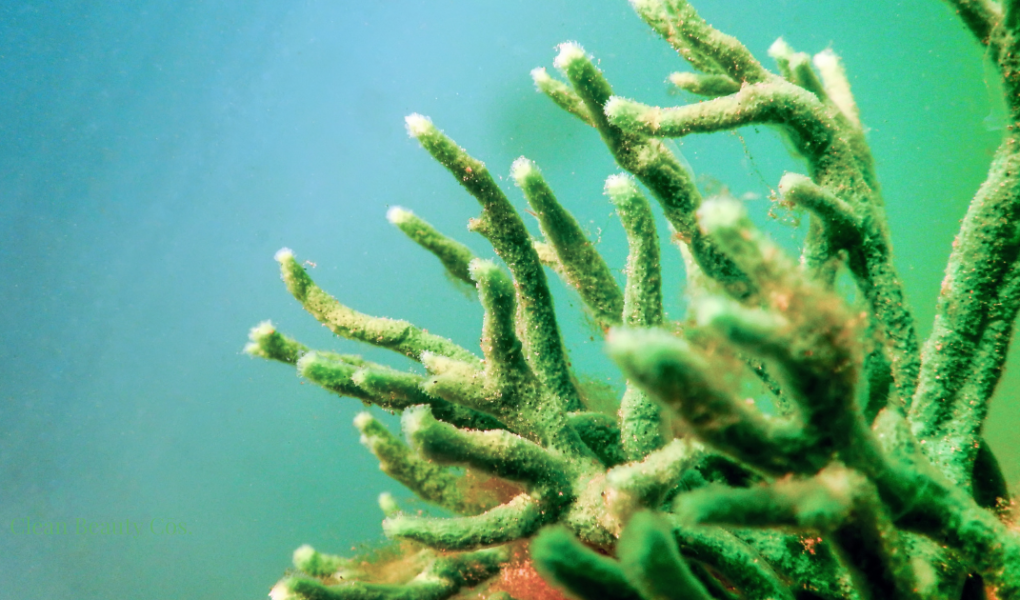
In lakes, rivers, and oceans, wild sponges are the ultimate unsung heroes of aquatic purification. As stationary filter-feeders, they act as the natural vacuum cleaners of their environments, pumping and straining hundreds of liters of water every single day.
Because of this continuous filtration, biological data shows they have become the planet’s premier “microplastic sinks.” Rivers, lakes, and streams are heavily plagued by modern plastic pollution, and freshwater sponges absorb and lock away thousands of microscopic plastic fibers, heavy metals, and industrial chemicals deep inside their skeletal tissue. They effectively quarantine these toxins, stopping them from destroying the wider aquatic food chain.
The Sourcing Pipeline & Environmental Double-Standard
While marine sponges are also harvested for other commercial industries and advanced pharmaceutical research, the vast majority of cosmetic spicules are reportedly harvested from freshwater sponges, specifically Spongilla lacustris.
Because of this, any over-harvesting is concentrated in lakes, rivers, and streams. According to researchers at the University of Florida, unregulated harvesting and the resulting habitat destruction can severely damage delicate aquatic environments.
- Loss of Natural Filtration: Stripping sponges out of localized waters means losing nature’s best biofilters, leaving behind unmonitored microplastics and contaminants.
- Food Web Disruption: Dislodging them removes a foundational food resource for specialized aquatic insects and local wildlife.
- Habitat Destruction: Removing the physical sponge structures strips away the microscopic shelter and vital breeding grounds for a variety of small freshwater organisms.
- The Purification Paradox: Because wild sponges act as environmental trash cans, extracting 100% pure, unpolluted spicules requires an intense, chemical-heavy laboratory purification process just to strip away the embedded pollutants the sponge naturally absorbed during its life.
The Transparency Takeaway
The good news is that the beauty industry is listening. To protect natural wild environments from these disruptions, many cosmetic manufacturers are shifting toward sustainable sponge aquaculture, essentially farming sponges on hanging ropes in controlled environments rather than depleting wild habitats.
Lifting the veil on the ingredient list and laying the supply chain bare is not about judging whether an ingredient is good or bad. It is about consumer empowerment. Armed with the true environmental context, every individual can look past high-tech marketing jargon and make an educated, eco-conscious choice that aligns perfectly with their personal worldview