Starting September 27, 2026, the EU’s Empowering Consumers for the Green Transition Directive (Directive (EU) 2024/825, or ECGT) takes full effect for all businesses selling to EU consumers. One of its most direct consequences: “clean beauty” is not named in the legal text, but regulatory interpretations widely classify it as a generic environmental claim, making it likely non-compliant without substantiation.
What does that mean in plain terms? Products labelled ‘clean’, if sold into the EU or shown to EU consumers, will need substantiation behind that claim. “Clean beauty” gets caught in the net not because it is a health claim, but because it is an undefined environmental-adjacent term that consumers read as implying something safe or better, and the EU’s position, in effect, is: if you can’t prove it, you can’t claim it.
Why “Clean Beauty” Suddenly Became a Problem
The core logic of the EU’s new rules is basic: Vague green words are misleading by default. The terms explicitly placed on the prohibited list include: “natural”, “eco-friendly,” “green,” “sustainable,” “biodegradable,” and “climate-friendly.” “Clean beauty” isn’t named in the text, but regulators and compliance experts seem to be placing it in the same category.
Consumers Think “Clean” – Safe for My Skin. The EU Thinks “Clean” = What Exactly Does That Mean for the Planet?
This is the fundamental disconnect.
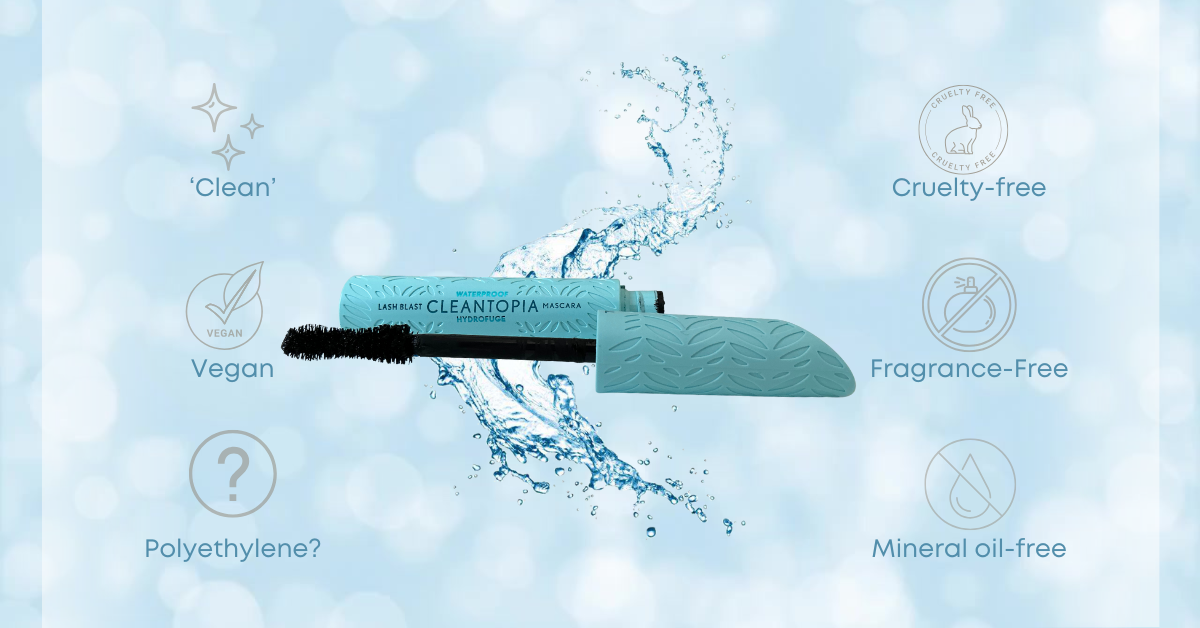
For most consumers, “clean beauty” means: no parabens, no sulfates, no phthalates, no ingredient that might mess with my hormones or irritate my skin. It is a personal safety frame. Research confirms this. Consumers consistently associate clean beauty with safety, non-toxicity, and gentleness on skin.
Why This Confuses Everyone (Including the Industry)
The confusion is baked into the term itself. “Clean beauty” has always been a hybrid concept. It borrowed the language of environmentalism (clean, green, pure, etc) but applied it to personal safety concerns, which is why perhaps it caught on. It sounds like it covers everything. But legally, those are two completely different regulatory domains.
- Health/safety claims (like “non-toxic,” “gentle,” “dermatologist-tested”) fall under cosmetics and consumer safety law.
- Environmental claims (like “eco-friendly,” “sustainable,” “green”) fall under the new ECGT rules and the Green Guides in the U.S.
“Clean beauty” sits in the gray zone between them, and the EU is now pulling it into the environmental box because that’s where vague “better” language gets scrutinized.
“Clean beauty” feels like it’s about your skin. The EU is treating it like it’s about the planet. That gap is where the confusion lives.
To be clear about what this directive actually does, it regulates environmental claims, marketing about a product’s impact on the planet. It does not regulate health or safety claims.
Clean beauty was never really about the environment or your health–it is about transparency or the lack of it. The EU is now saying: if you want to use the word, prove what it means.
No enforcement cases have tested this yet, so how it plays out in practice remains to be seen.
But the long-term direction is quite clear: “clean” shifts from a free marketing word to a claim that requires evidence. This is good for consumers who genuinely want transparency, but it will accelerate the elimination of brands that use ‘clean’ as a marketing shortcut and cannot afford the cost of proving themselves.
The Practical Takeaway for U.S. Brands
The U.S. does not ban “clean”. But it creates a different kind of exposure. Vague, undefined “clean” claims are exactly what invite litigation.
The direction is the same on both sides of the Atlantic: “clean” is becoming a claim that requires evidence, not a free marketing word. In the EU, that evidence is demanded by regulators. In the U.S. it is often demanded by plaintiffs’ lawyers.