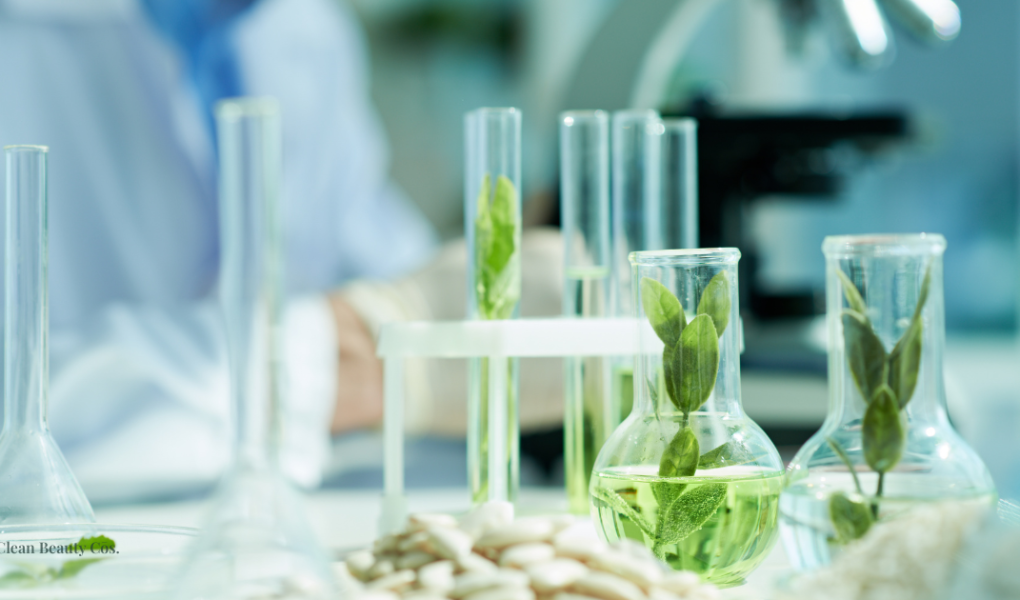
For the past decade, the cosmetics industry has been operating in the comfortable, self-regulated Wild West of “clean beauty.” It was an era defined by free-from lists, subjective ingredient bans, and marketing campaigns wrapped in soft pastel packaging. Brands sold products simply by promising what wasn’t inside their bottles.
But it seems that era is coming to an end.
As we recently examined in an article highlighting the EU’s strict new Empowering Consumers for the Green Transition Directive (ECGT), vague environmental claims are no longer just bad practice, they are legally non-compliant. Regulators, retailers, and consumer advocacy groups are demanding hard data.
To survive this regulatory shift, the beauty industry must look past arbitrary “clean” definitions and align with a globally recognized, data-backed standard: The United Nations Sustainable Development Goals (SDGs).
The Evolution from “Safe to Use” to “Safe to Produce”
Historically speaking, clean beauty has focused almost entirely on the end consumer. Is this preservative gentle on sensitive skin? Will this dye trigger an underreported allergic reaction? While consumer safety remains non-negotiable, it is only one fraction of a product’s lifecycle.
The UN SDG framework forces the beauty industry to look backward down the supply chain, shifting the focus from clean formulations to responsible production.
When a brand claims an ingredient is “sustainably sourced,” what does that actually mean under a microscope?
- Is the botanical harvesting driving localized deforestation (SDG 15: Life on Land)?
- Are the agricultural communities providing the raw materials earning a living wage under safe conditions (SDG 8: Decent Work and Economic Growth?)
- What happens to the chemical manufacturing byproducts when they rinse down the drain and enter local water systems (SDG 6: Clean Water and Sanitation)?
True transparency requires answering these systemic questions. The SDGs provide the exact vocabulary and metrics to do so.
Deciphering the Core Goals Impacting Your Skincare and Makeup Routine
While the UN outlines 17 global goals, the beauty industry intersects most heavily with a core cluster. It may be helpful to review brands and raw materials through these specific lenses:
- SDG 12: Responsible Consumption and Production – This is the ultimate battleground for cosmetics. It directly targets the industry’s historical reliance on single-use plastics, complex mixed-material packaging (such as nonrecyclable pumps), and overproduction. Alignment with SDG 12 requires brands to transition toward circular economic models, embracing waterless formulations, infinitely recyclable materials, and closed-loop refill systems.
- SDG 15: Life on Land – The luxury and natural beauty sectors are voracious consumers of botanical oils, exotic plant extracts, and minerals like mica. Without strict supply chain tracking, the demand for these ingredients fuels habitat destruction and biodiversity loss. Brands prioritizing SDG 15 are shifting toward biotech alternatives, using cellular agriculture and fermentation to replicate rare fragrances and actives in a lab without touching a single acre of soil.
- SDG 13: Climate Action – From the carbon footprint of shipping heavy glass jars across the ocean to the agricultural disruptions caused by severe weather patterns, climate change is actively impacting the beauty supply chain. Evaluating a beauty product through SDG 13 means looking at localized manufacturing, supply chain compression, and actual carbon mitigation rather than empty carbon-offset credits.
Embracing the Institutional Shift
Aligning with the UN SDGs is not a marketing pivot. It is a fundamental operational upgrade. The brands that thrive over the next decade and beyond are those treating sustainability as an engineering challenge rather than an advertising campaign.
The future of beauty isn’t just clean–it is accountable.