One of the most impactful advancements in modern cosmetics is the shift away from synthetic, petroleum-derived dyes (such as Red 40) in favor of non-chemical alternatives. Clean beauty brands have successfully built highly engaged audiences by pioneering this standard of ingredient purity and transparency. As the industry continues to mature, ingredient science is helping brands navigate a new frontier: understanding that because the human immune system interacts uniquely with complex organic structures, a 100% “natural” origin does not automatically guarantee a formula is universally “safe” or hypoallergenic.
Nowhere is this paradox more evident than in the widespread use of carmine to formulate high-performance pinks, purples, and deep reds. Because creating vibrant eye makeup without synthetic dyes is a massive engineering challenge, premium brands rely heavily on this natural, insect-derived pigment.
Within the industry, the conversation surrounding carmine is almost entirely dominated by ethical and vegan restrictions, however a more pressing consumer safety issue is rarely discussed. It seems there’s a severe, underreported risk of cosmetic contact dermatitis triggered by this 100% natural, insect-based allergen.
Where is Carmine Hidden?
Carmine is not just found in red lipsticks. It is widely used to build depth in a broad spectrum of makeup shades. If you are experiencing unexplained eyelid irritation, check the ingredient list (labeled as Carmine, cochineal Extract, CI 75470, Natural Red 4, or Carminic Acid) on the following products:
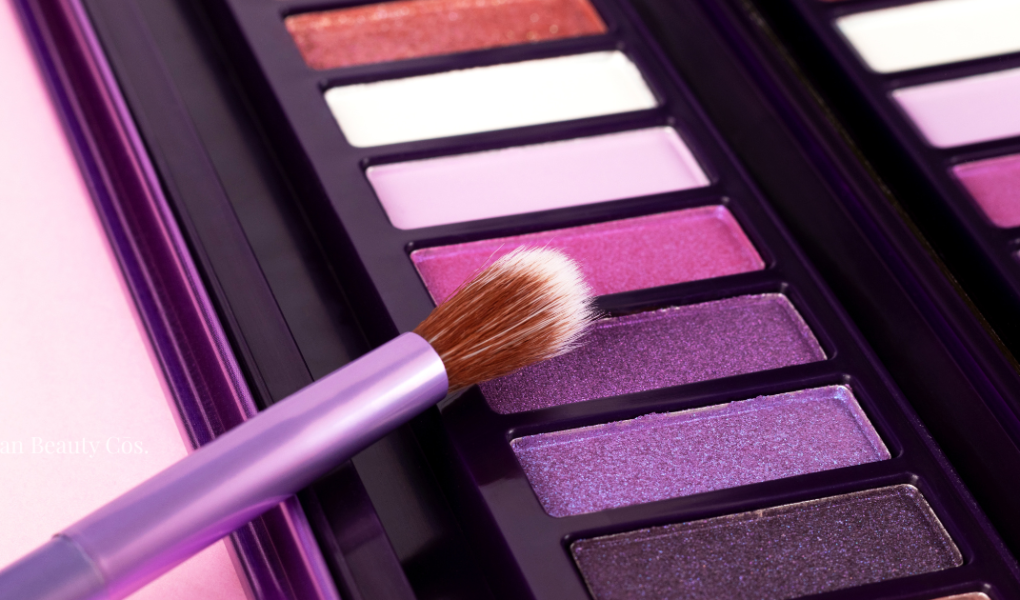
- Eyeshadows & Liners: Pinks, purples, plums, violets, magentas, burgundies, and warm, reddish-toned browns or terracottas.
- Blushes & Highlighters: Rose, berry, coral, and deep bronze powder or cream cheek products.
- Lip Products: Tinted lip balms, glosses, liners, and stains across the pink, nude, and red spectrum.
- Mascaras: Volumizing formulations featuring deep plum, purple, or warm brown pigments.
Why “Natural” Can Trigger the Immune System
The human immune system evolved to identify and defend against organic, biological invaders—such as viruses, bacteria, and parasites. Consequently, our bodies are naturally hardwired to reject unfamiliar complex organic proteins. Synthetic chemicals can cause localized skin irritation, but they lack the complex cellular structure of animal or insect proteins.
Because traditional carmine is extracted by crushing female cochineal insects, the raw pigment paste contains trace, microscopic arthropod proteins from the host organism. It is an unrefined animal byproduct. When placed on the eyelids—the thinnest, most delicate skin barrier on the body—it operates identically to other natural, non-chemical allergens like peanuts or bee venom. It is not a synthetic chemical causing the reaction, it is the immune system responding to an invasive foreign protein.
An Allergy Developed Over Time
A common misconception is that an allergic reaction to a cosmetic will manifest immediately upon its first use, however sensitization can occur over time. During the initial months or years of use, a person’s immune system can remain entirely asymptomatic. But through repeated everyday contact, the microscopic insect proteins slowly breach the eyelid’s compromised epidermal layer. Over time, the immune system hits an invisible threshold, logs the cochineal protein as a hostile pathogen, and generates permanent memory T-cells.
Once this threshold is crossed, the allergy is permanent. Subsequent applications of that same non-chemical product will trigger an aggressive, localized inflammatory response. Eyelid swelling (edema), intense burning, itching, and severe, dry flaking typically flash to the surface 12 to 72 hours post-application.
Why Carmine Allergies Are Underreported
The North American Contact Dermatitis Group (NACDG) has explicitly noted that because carmine remains left off standard screening profiles, a vast number of consumer reactions go completely unrecognized and legally underreported. Yet, when the NACDG conducted isolated, dedicated testing of 4,240 patients using a specific carmine panel, a staggering 3.1% of individuals tested positive for carmine sensitization, with more than 77% of those reactions directly caused by everyday personal care makeup. As University of Michigan allergist Dr. James L. Baldwin summarized regarding the invisible tracking of this natural allergen: “If we don’t look for it, we’re not going to find it.”
The Misdiagnosis and Product Loop
Because Type IV allergies operate on a delayed timeline, consumers rarely connect a swollen eyelid on a Tuesday morning to the non-chemical purple eyeshadow they wore over the weekend. Instead, they mistake the reaction for environmental dry skin, seasonal pollen, or a mild case of pinkeye.
This triggers a frustrating product loop: the consumer discards their old makeup, blames “harsh synthetic chemicals,” and intentionally purchases a different luxury, 100% natural clean palette in a similar berry or warm plum hue. Unknowingly, they reintroduce the exact same insect-derived carmine proteins to an already inflamed skin barrier, trapping themselves in a chronic cycle of immune activation.
Future Outlook: Shifting from “Natural” to “Pure” Biotech
The carmine paradox proves that the future of clean beauty cannot simply be about swapping lab-made synthetics for unrefined agricultural byproducts. While current clean brands still heavily depend on insect-derived carmine to achieve professional color performance, this reliance creates an unintended trap. The vegan community has long requested alternatives strictly for ethical reasons, but the hidden, rising volume of consumer allergen sensitivities represents what should be the long-term corporate concern for these clean beauty brands.
This dual pressure—ethical and biological—has been driving a wave of capital into biotechnology and cellular agriculture. Biomanufacturing leaders like Debut Biotech and Conagen are actively pioneering bio-identical, fermenter-grown carmine alternatives.
The ultimate breakthrough of bio-carmine is that it bridges the market gap. It is free of synthetic petroleum, satisfies the massive consumer demand for vegan-friendly sourcing, and is completely stripped of the arthropod proteins that trigger human allergies. As these bio-identical, allergen-free alternatives scale toward mass commercial availability, the industry will naturally have the opportunity to evolve the standard of “clean”—shifting the focus away from raw, unrefined ingredients and moving toward pure, allergen-free biotechnology