Skin Food, Before it Was a Trend: Weleda’s Clean Beauty

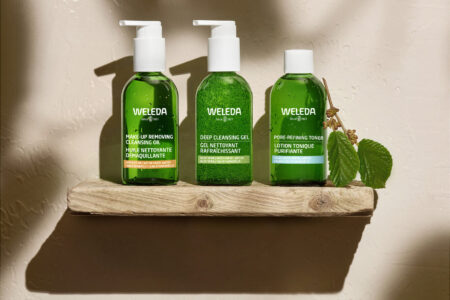
In recent years, beauty has borrowed liberally from the produce aisle. Cleansers with kale, serums with mushrooms, and “food-grade” personal care have become shorthand for products that feel both natural and nourishing. But long before “skin food” was trending, Weleda was already there. Headquartered in Switzerland, Weleda pioneered the idea of feeding the skin with …
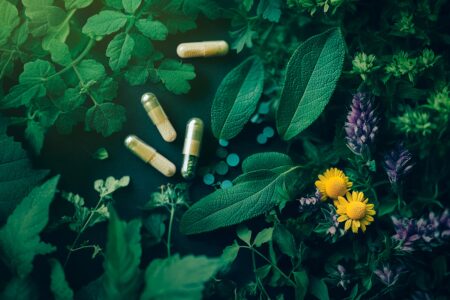
Beyond the Mirror: Why Supplements Are the Future of Beauty

Beauty-Wellness Crossovers The convergence of beauty and wellness is reshaping how consumers approach skincare and self-care. The rise of ingestible beauty — from Neocell’s collagen and peptides, to Olly’s “Undeniable Beauty” gummies, to Plant People’s “WonderBeauty” formulas — signals a cultural shift toward long-term vitality. It’s less about quick fixes and more about proactive health …

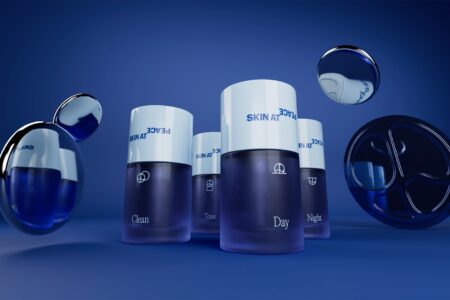
Clean Beauty Glow Serum

The Glow Era: How Gen Z Reframed Beauty’s Rules

For decades, eye makeup followed a familiar script: a wash of light shadow across the lid, a deeper shade pressed into the crease, liner for definition, and a final sweep of highlight. Blues, purples, browns, and grays dominated palettes in the 1980s, each step carefully layered to create a “finished” look. But beauty is never …

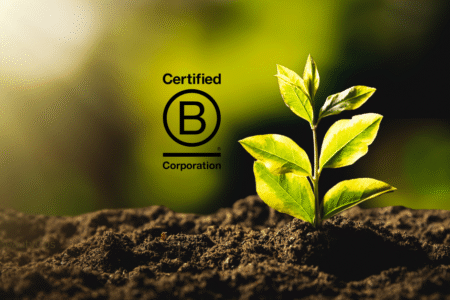
What Does B Corp Certification Mean for Clean Beauty Brands?

Logo by B Lab, via Wikimedia Commons If you’ve seen the little “B” logo stamped on beauty brands like Weleda, Sunday Riley, L’Occitane or Clarins, it isn’t just a marketing badge, it’s a certification. A B Corporation (or B Corp) is a company that’s been certified by the nonprofit B Lab for meeting high standards …

Are There Any Clean Tubing Mascaras?

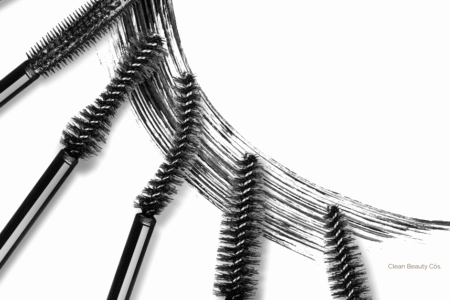
At the moment, all tubing mascaras rely on synthetic polymers(acrylates, polyvinyls, polyamides, etc.) to form the flexible “tubes” around lashes.That’s the entire mechanism behind the tubing effect: a plastic-like film former that resists oil,tears, and smudging, then dissolves or slides off with warm water. Keep in mind, clean beauty isn’t about avoiding synthetic ingredients—it’s about …

Titanium Dioxide in Lip Products: Should You Avoid It?

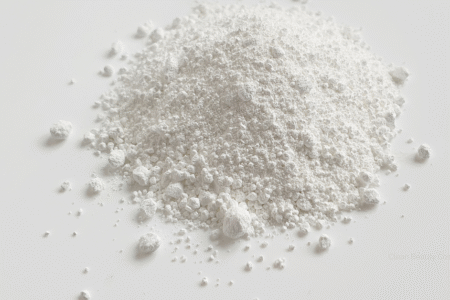
Titanium dioxide (TiO₂) has long been a staple in beauty formulations, valued for its brightening power and UV protection. In lipsticks, balms, or glosses, it usually appears on ingredient labels as CI 77891. But lip products are unique. Unlike powders or serums, they don’t just sit on skin. They’re worn on the mouth, reapplied often, …

California Court Ruling: Titanium Dioxide Warnings in Cosmetics Are Misleading

If you’ve ever read a Prop 65 warning on your sunscreen or makeup, you might have noticed a line about titanium dioxide (TiO₂) and cancer risk. For many clean beauty brands—especially those based in California—this warning has been a source of confusion and concern. On August 12, 2025, a federal court in California ruled that …

Sealed with Care: Why Clean Beauty Packaging Matters More Than Ever

Sealed with Care: Why Thoughtful Packaging Matters in Clean Beauty One of the ongoing conversations in the clean beauty community revolves around product hygiene and consumer trust. Concerns frequently surface in online spaces — including Reddit threads — about contamination risks and even the possibility of retailers reselling returned products that appear unopened. While these …

Tromethamine in Cosmetics: Balancing Safety and Nitrosamine Concerns

Tromethamine in Cosmetics: Safety, Nitrosamine Concerns, and Why Transparency Matters In a recent post we examined tromethamine in bronzer. The issue, however, isn’t limited to bronzers — tromethamine (also called tris(hydroxymethyl)aminomethane or THAM) is a common buffer and pH adjuster used across skincare and makeup. While independent reviews consider it safe at typical use levels, …

How Long Do Clean Beauty Products Last? Shelf Life, Safety & Bacteria Risks

How Clean Are Your Clean Beauty Products? Clean beauty promises transparency, safer ingredients, and formulations free from some of the harsh preservatives found in conventional products. But what about the hidden side of “clean”? Without preservatives like parabens, products can sometimes be more vulnerable to contamination — especially once opened, shared, or applied with damp …