As discussed in the previous article, “Why China Skipped the Western Eco-Logo Era,” prior to the advent of the smartphone, commercial internet, and e-commerce, the Leaping Bunny program’s logo and its Compassionate Shopping Guide helped shoppers locate cruelty-free makeup and personal care items. Makeup and skincare made in China was often an automatic red flag for anyone avoiding products or ingredients that were tested on animals. But thankfully, the laws in China have changed, but how does one know for certain whether or not a product is truly cruelty-free?
The Demand for Cruelty-Free Cosmetics
It could be said that part of the tremendous popularity of e.l.f. Cosmetics (in addition to the accessible price point), is how clearly the brand communicates its ethical credentials through visual symbols. The cruelty-free bunny and vegan symbols are printed on the packaging, instantly assuaging consumer concerns. Shoppers know that even though e.l.f. manufactures in China, the products are cruelty-free. By law, products made in China strictly for export have always completely bypassed domestic Chinese animal testing requirements.
Cruelty-Free Cosmetics in China
For China’s domestic brands selling within China’s mainland borders, however, the rules are different. Consider for example C-Beauty brand Proya, which is launching at Ulta Beauty in November 2026. The brand cannot simply print a third-party ethical logo like a random bunny on a product box unless that specific badge is officially recognized by the government. While Proya it seems did pioneer the 3Rs of animal testing (reduction, replacement, refinement), they had no external organization to audit their ingredient suppliers. Any ‘cruelty-free’ claim printed on a box could be legally flagged as an unverified marketing claim.
Even though China passed a law in 2021 exempting imported “general cosmetics” from mandatory animal testing, that exemption remains incomplete. If a product falls into a special-use category like sunscreen, it would not be legally permitted to bypass toxicology testing on animals. On July 29, 2026 the NMPA issued a regulatory update (Announcement No. 70 of 2026) that widened animal-testing exemptions to certain special categories of cosmetics, though sunscreens and permanent hair dyes are not included in this expansion.
The Little Red Rabbit Smart Badge Solution
This regulatory complexity is precisely why the Little Red Rabbit (小红兔) digital certification program’s official public launch in November 2026 is newsworthy.
The program acts as an on-the-ground watchdog inside China, auditing brands’ local Chinese supply chains and manufacturers. This will give Western brands verifiable proof that their non-animal testing claims are 100% accurate, while also acting as a commercial passport for domestic C-Beauty brands and chemical/botanical ingredient suppliers entering Western markets.
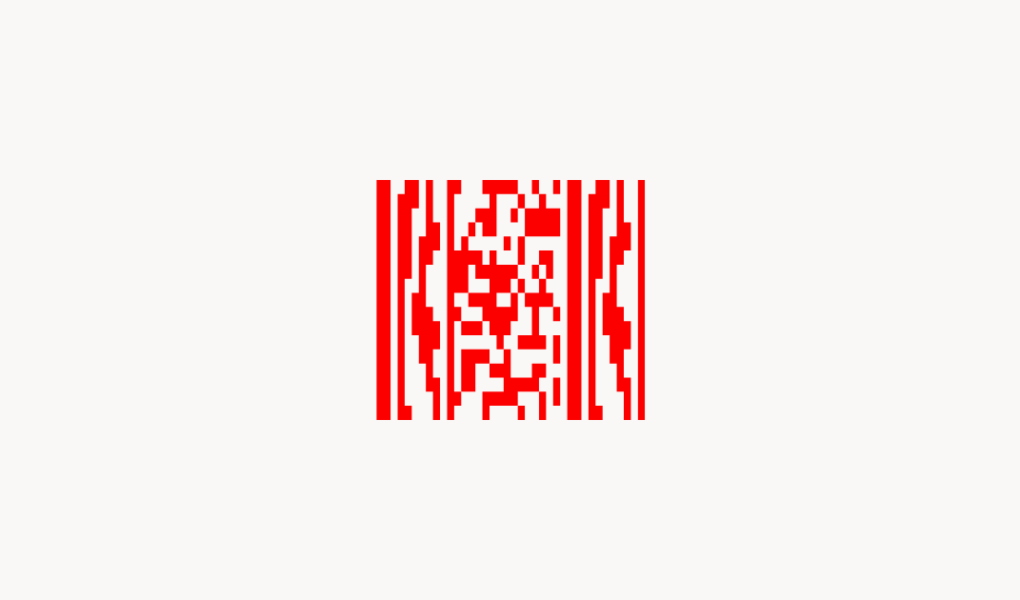
The Little Red Rabbit logo will be printed on product packages, but it must be accompanied by its unique QR code. Unlike the the Western legacy-logo system, the Little Red Rabbit mark is a Smart Badge system. Because printing an unverified symbol is illegal under China’s laws, the Little Red Rabbit is a trackable portal to a state-recognized group standard database and legally compliant.
Consumers will not have to wonder if a product is cruelty-free. The visual rabbit mark on the packaging serves a dual function, allowing shoppers to check the ‘digital twin’ in the cloud and verify that the brand isn’t greenwashing.