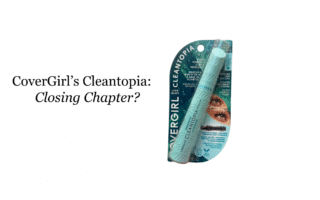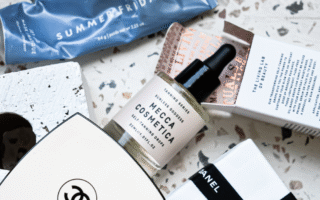
When beauty product naming conflicts bubble up in the beauty industry, it very often can become a public debate. We saw a glimpse of this recently when Jones Road Beauty launched a concealer and neutralizer collection called “Wide Awake.” Molly Sims, founder of YISE Beauty, took to social media to express her disappointment over how closely the name mirrored her own brand’s brightening eye cream.
Legally, it seems pretty clear that Jones Road did everything by the book. YISE apparently hadn’t trademarked the phrase, and internet sleuths quickly pointed out that neither brand was the first to use it anyway. Yet, instead of digging in their heels, Jones Road graciously apologized, listened to the feedback, and renamed their product. It was a masterclass in good PR.
But out-of-court harmony is an expensive luxury. In fact, if you look closer at Sims’ own brand, it appears the brand had been forced to make a similar business concession. Originally launched as YSE Beauty, the brand added an I to its name after trademark opposition was filed by heritage giant Yves Saint Laurent (YSL). YISE Beauty chose to pivot rather than engage in a costly legal battle with a corporate titan.
Courtroom Victory vs. Public Backlash
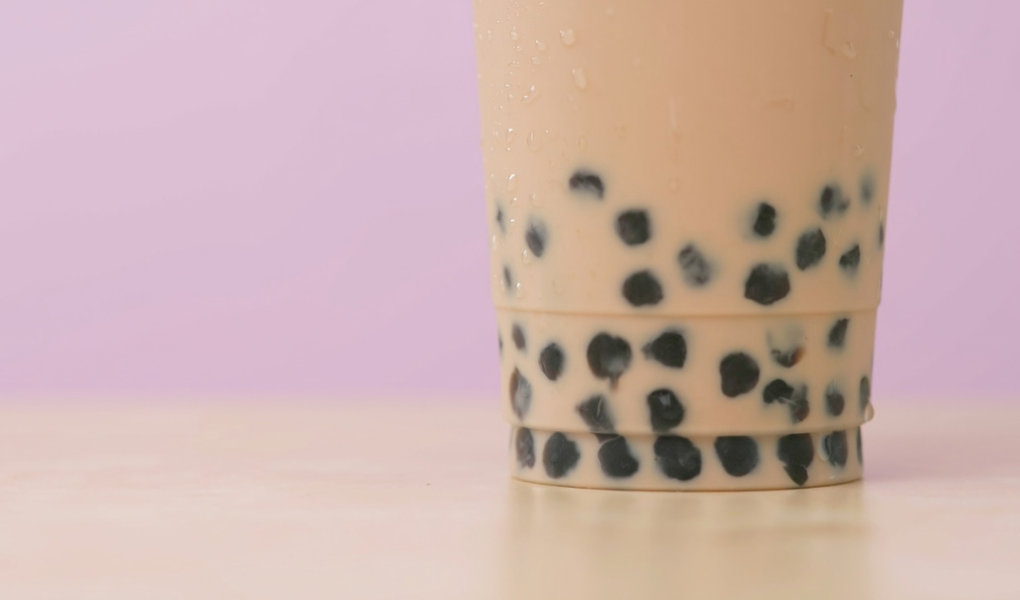
But what happens when an independent brand doesn’t pivot? Consider the popular milk tea chain in China, Molly Tea. As reported by the South China Morning Post, in 2025 Louis Vuitton (LVMH) filed an intellectual property lawsuit arguing that the tea chain’s four-petal flower logo was too similar to their iconic luxury monogram. A Chinese court agreed, ordering Molly Tea to issue a public apology and pay a staggering 10.3 million yuan ($1.5 million USD) in damages–a decision the tea chain has announced it plans to appeal.
While LVMH walked away with the cash, online community discussions on platforms like Reddit captured a wildly different public verdict. Netizens swiftly mocked the luxury giant, circulating pictures of decades-old public toilet window grates that featured a similar four-petal design, virally dubbing the brand “Lavatory Vuitton.” Furthermore, according to data from research firm JL Warren Capital, Louis Vuitton’s China sales were estimated to have fallen by 30% in July 2026 and another 20-25% in August following the public backlash. While public sympathy doesn’t pay a $1.5 million court order, it could be argued that Louis Vuitton’s legal victory comes with its own heavy price tag.
The Reality of Trademark Protection
The cold, hard truth independent beauty brands face is that the legal system doesn’t always favor who is right–it favors who has the deepest pockets. Many startup founders assume registering a USPTO trademark is a shield, however if a competitor infringes on your mark, the cost of hiring counsel and pursuing litigation falls on the startup.
The moral of the story of the two Mollys? Beauty entrepreneurs should ideally secure their intellectual property rights before launching, while keeping in mind that sometimes a graceful pivot is the smartest way to protect the bottom line.