In our ongoing series on gentle eye makeup removers, we’ve dedicated a lot of space to exploring how products balance heavy-duty performance with safety. For years, micellar water has been championed as the ultimate solution for sensitive eyes. It feels like water, looks like water, and effortlessly lifts eye shadow and mascara away without any oily residue of traditional biphasic removers.
Yet, many conscious beauty consumers notice a puzzling contradiction. Even formulas explicitly labeled “for sensitive eyes” or “ophthalmologist-tested” can occasionally cause stinging, redness, or dry eyes.
If you’ve experienced this, you aren’t imagining it—and your product isn’t necessarily “bad.” The answer lies entirely in how micellar chemistry interacts with the unique biology of our eye area, especially as we age.
How Micelles Work on the Ocular Surface
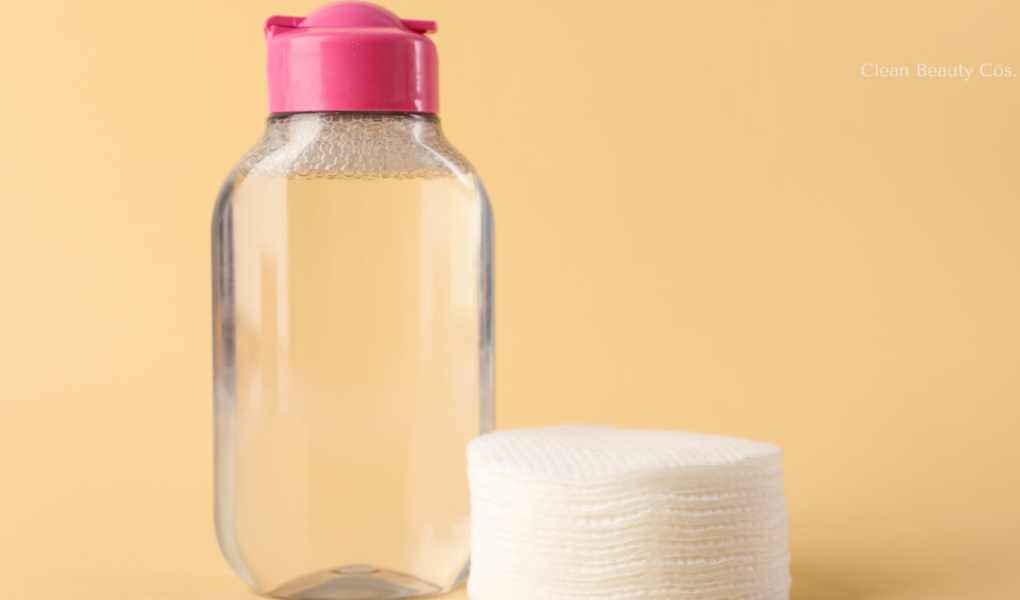
To understand why micellar waters can sometimes cause a stinging sensation, it helps to look at how they are built. Micellar water isn’t just plain water; it is a solution filled with surfactants (surface-active agents).
Surfactant molecules have a unique dual nature: one end loves water (hydrophilic), and the other loves oil (lipophilic). When suspended in water, these molecules gather into tiny clusters called micelles. When you swipe a saturated cotton pad across your lid, the oil-loving tails of the micelles latch onto the waxes and pigments in your mascara, lifting them away.
While this is incredibly efficient for skin makeup, it can pose a challenge when it migrates past the eyelid. The most common preservatives found in water-based micellar waters that can cause eye irritation and stinging include:
- Phenoxyethanol: Disrupts a compromised skin barrier and triggers localized contact dermatitis, stinging, and burning in thin or reactive skin.
- Benzalkonium Chloride (BAK): Highly toxic to the ocular surface; it directly dissolves the tear film’s protective lipid layer, causing severe dry eye and corneal irritation.
- Polyaminopropyl Biguanide (PHMB): A potent antimicrobial that acts as a known contact allergen, frequently causing redness and swelling around sensitive eyelid tissue.
- Cetrimonium Bromide: A harsh preservative surfactant that can strip natural skin lipids and cause immediate chemical stinging if it migrates past the eyelids.
- Sodium Benzoate: Generally mild on the face, but can cause a transient burning sensation or allergic conjunctivitis when it comes into direct contact with the mucous membranes of the eye.
- Benzyl Alcohol: Vaporizes easily and can cause a burning or watering reaction in the eyes simply from its fumes, alongside being a common skin sensitizer.
Water and the Necessity of Preservatives
Because micellar water is primarily made of water, it requires robust preservation systems to stay sterile and safe from mold or bacteria. Every time a standard bottle opens, ambient air rushes inside, carrying invisible mold spores, yeast, and bacteria. Common synthetic preservatives—like phenoxyethanol or polyaminopropyl biguanide—are excellent at keeping products safe, but they are known contact triggers for individuals with an exceptionally low irritation threshold or a compromised skin barrier.
Water vs. Oil
- Water-Based Cleansers (Micellar Waters): Because water spoils easily, manufacturers must add synthetic preservatives to keep it safe and sterile. Additionally, because water cannot dissolve oil-based makeup (like mascara) on its own, they must also add surfactants (like Poloxamer or glycols) to force the oil and water to mix. This creates a double-irritant risk for sensitive eyes: synthetic preservatives plus harsh surfactants.
- Pure Oil-Based Cleansers (Balms & Pure Oils): Microorganisms cannot grow or multiply without water. Because pure oils (like squalane, jojoba, or mineral oil) contain 0% water, they are naturally hostile to bacteria and mold. Therefore, pure oil cleansers do not require any synthetic preservatives or surfactants at all. They rely simply on the chemistry rule of “like dissolves like”—the oil dissolves the makeup effortlessly, with no harsh chemicals or rubbing needed. Note: To protect oil-based eye makeup removers from oxygen (which can over time break down the fatty acids in the oil) brands use Vitamin E (Tocopherol). Vitamin E is a natural antioxidant—not a chemical biocide preservative—that absorbs the oxygen so the oil stays fresh. While oxygen doesn’t create dangerous mold or bacteria as in water, but it can make the oil smell stale or change color,
Choosing What is Best For You
Recognizing these mechanics doesn’t mean you need to toss out your favorite micellar water bottle. Instead, it allows you to adjust your routine based on your skin’s changing needs.
If you love the lightweight feel of micellar water but experience occasional sensitivity, a simple and highly effective tweak is to always rinse the area with lukewarm water afterward. Rinsing removes the residual surfactants and preservatives from your thin eyelid skin.
Because brand formulations frequently evolve, staying vigilant about current ingredient labels is essential. For those navigating exceptionally sensitive eyes or chronic dry eyes, discovering alternative formulations can be a game-changer.
A Guide to Micellar Waters
The specific preservatives highlighted in our feature present the highest risk of chemical stinging, localized contact dermatitis, or dry eyes if they migrate past the protective eyelid barrier. To help you navigate your choices, here is a breakdown of popular formulas into three ingredient-led tiers.
Tier 1: Clinical Choices
Best for: Chronic dry eye, blepharitis, or extreme ocular reactivity. These formulas originate from pharmaceutical labs and utilize specialized sterile delivery systems to achieve a 0% traditional preservative profile.
Optase Life Sensitive Eye Makeup Remover
- Streamlined, minimalist 7-ingredient formula engineered specifically for delicate or easily irritated eye zones.
- Relies exclusively on ultra-mild, non-ionic, contact-lens-grade Poloxamer 184 to lift cosmetic pigments.
- Contains 0% traditional chemical biocides; relies instead on its sterile multi-dose container mechanic to block bacteria.
iVIZIA Eyelid Cleansing Wipes
- Individually wrapped, pre-moistened pads hailing from a prominent European specialty eye-care heritage.
- Mechanically sealed to maintain absolute product sterility without the need for chemical preservatives.
- Uses a gentle micellar base to lift away stubborn crusting and cosmetics seamlessly without leaving raw, tight skin.
Tier 2: Drugstore & Pharmacy (High Face Tolerance / Moderate Ocular Risk)
Best for: Normal to mildly sensitive skin. These are effective face cleansers, but because they utilize standard open-air bottles, they require built-in synthetic biocides that can trigger localized micro-stinging if allowed to pool in the eyes.
Bioderma Sensibio H2O
- Uses biomimetic fatty acid esters that closely mirror natural skin lipids.
- Soap-free, alcohol-free, and fragrance-free for optimal dermal tolerance.
- Ingredient Insight: Relies on Cetrimonium Bromide from our high-risk list to keep the large multi-use bottle shelf-stable.
La Roche-Posay Toleriane Micellar Water
- Formulated with a soothing, antioxidant-rich thermal spring water base.
- Utilizes gentle Poloxamer 184 as its lone surfactant cleansing agent.
- Ingredient Insight: Preserved with Myrtrimonium Bromide—a direct sister compound to *Cetrimonium Bromide* that shares an identical eye-stinging risk if left on lids overnight.
Avène Makeup Removing Micellar Water
- French pharmacy staple utilizing a minimalist framework designed to avoid heavy stripping.
- Successfully bypasses every single one of the 6 harsh chemical biocides flagged on our high-risk report.
- Ingredient Insight: While it preserves safely via mild glycols, it contains added Parfum (Fragrance).
Simple Kind to Skin Micellar Cleansing Water
- Highly accessible, budget-friendly pick boosted with niacinamide and vitamin B5.
- Cleanses via a balanced system of mild poloxamers and hydrating glycols.
- Ingredient Insight: Preserved directly with Phenoxyethanol from our list, a known contact trigger capable of burning a compromised skin barrier.
Garnier SkinActive Micellar Cleansing Water (Pink Cap)
- Mass drugstore classic combining Poloxamer 184 with a secondary foaming co-surfactant to lift heavy cosmetics.
- Provides heavy-lifting power for whole-face foundations but leaves behind surfactant residue.
- Ingredient Insight: Relies on the synthetic biocide Myrtrimonium Bromide to remain safe, making a secondary clean water rinse highly recommended for thin lid tissues.
Tier 3: The Botanical (Conscious Skincare / Organic)
Best for: Consumers prioritizing plant-derived ingredients and clean certifications.
Doré La Micellaire Botanical Cleansing Water
- Made in France and beautifully curated with organic hydrosols of cornflower, Damascena rose, and soothing aloe vera.
- Employs a plant-derived cleaning agent known as Caprylyl/Capryl Glucoside to bind makeup pigments.
- Ingredient Insight: Relies entirely on Sodium Benzoate and Potassium Sorbate for shelf-life. Because Sodium Benzoate forces the formula to maintain a lower, acidic pH to work, it can trigger stinging or redness if it slips past lash line.
Caudalie Vinoclean Micellar Cleansing Water
- Vegan formula infused with antioxidant-rich organic grape fruit water and anti-inflammatory chamomile extract.
- Uses exceptionally mild non-ionic surfactants (Poloxamer 188 and Heptyl Glucoside) to protect delicate facial skin.
- Ingredient Insight: Relies on Sodium Benzoate and Potassium Sorbate for preservative maintenance, carrying the same low-pH ocular stinging risk. Furthermore, the inclusion of Parfum (Fragrance) creates an additional barrier for ultra-sensitive eyes prone to vapor-induced watering.
Editorial Disclaimer: The content provided in this independent market overview is intended strictly for informational, educational, and ingredient-analysis purposes. Clean Beauty Cōs. provides cosmetic reviews grounded in public ingredient transparency lists and does not offer medical advice, clinical diagnoses, or professional ophthalmic treatment plans.