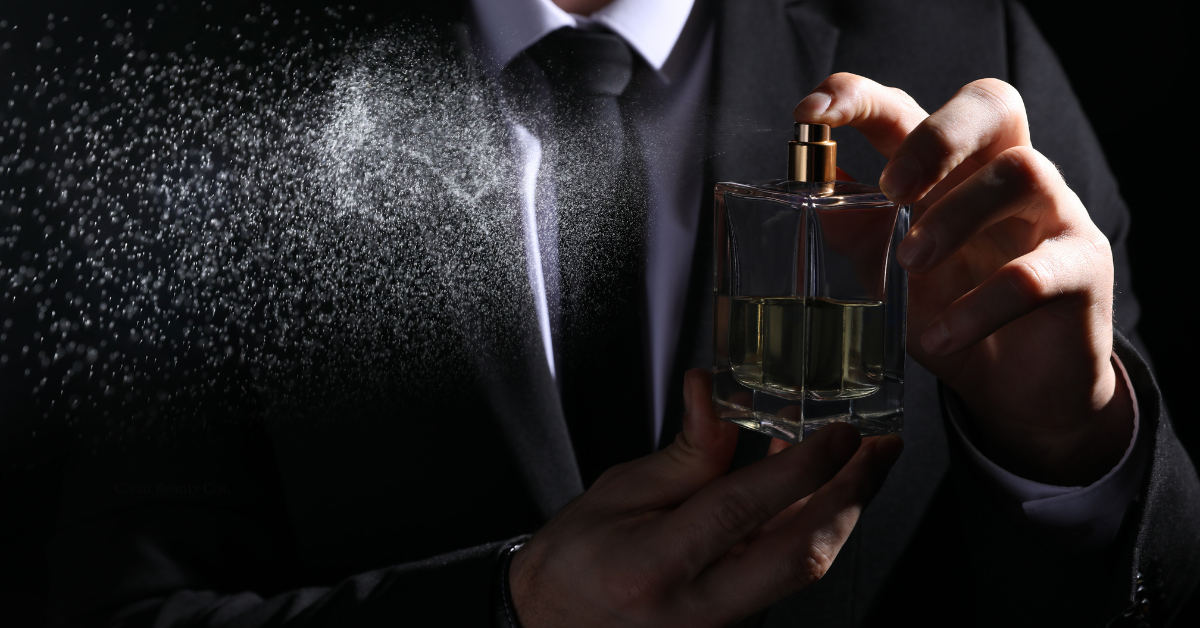
As global fragrance giants like Coty, L’Oréal, Estée Lauder, Symrise, and Givaudan ramp up efforts to capture the Chinese market, transparency about fragrance ingredients is becoming increasingly important. While proprietary formulas are a core part of the industry, the use of certain fragrance chemicals, including some phthalates, has raised questions about ingredient disclosure and potential health effects. Consumers increasingly want to understand what they are applying to their skin and, in the case of fine fragrance and other scented products, what they are inhaling.
China Market
Givaudan, the Swiss fragrance leader, has made significant investments across China to support growing demand for perfumes and fragrance products. The company has established multiple facilities and creative hubs in cities such as Shanghai, Guangzhou, and Changzhou, combining research, development, production, and local co-creation.
These investments reflect China’s growing importance to the global fragrance industry—not only as a consumer market, but increasingly as a center for fragrance innovation, manufacturing, and product development.
Fragrance and Respiratory Health: A Growing Concern
For some people, fragrances—including perfumes, colognes, and scented personal care products—can trigger or worsen respiratory symptoms. In one U.S. survey of adults with asthma, 43.3% reported experiencing respiratory problems after exposure to fragranced consumer products. The findings were based on self-reported survey responses and do not establish that fragrance exposure caused each reported symptom.
How Fragrance Can Affect Breathing
- Airway Irritation: Fragranced products can emit volatile organic compounds (VOCs) and other chemicals into indoor air. Exposure can cause respiratory symptoms in some sensitive individuals.
- Chemical Sensitivity and Asthma: People with asthma or chemical sensitivities may experience symptoms even at relatively low levels of fragrance exposure.
- Indoor Air Quality: Fragrance use in enclosed spaces can contribute to indoor chemical exposure, which may be particularly relevant for people with asthma or other respiratory sensitivities.
The Rise of Scent-Free Workspaces
As awareness of fragrance sensitivities grows, some workplaces and institutions have adopted scent-free policies. The Canadian Centre for Occupational Health and Safety (CCOHS) provides guidance on developing scent-free workplace policies and notes that exposure to scented products can trigger respiratory and other symptoms in some sensitive individuals. Similarly, some healthcare institutions in the UK and US have adopted fragrance-free policies to accommodate patients and staff with sensitivities. Across offices, clinics, and schools, scent-free policies reflect a growing effort to address fragrance sensitivities in shared environments.
Why It Matters
Globally, asthma affects hundreds of millions of people, and fragrance sensitivity is an important consideration for some people who use or are exposed to fragranced products.
Fragrance is a complex industry built around proprietary formulations. Consumers may know the name of a perfume or the fragrance category used in a cosmetic product without knowing the individual materials that create the scent. At the same time, regulators and consumers are placing greater emphasis on ingredient safety, allergen disclosure, and transparency.
China makes this discussion particularly relevant. As the country’s fragrance market expands and global fragrance companies increase their investments there, the industry is reaching a growing population of consumers while also developing new products, manufacturing capabilities, and creative centers.
The question is not whether fragrance itself is good or bad. It is whether consumers have enough information to understand what they are buying—and whether the industry is prepared to provide it.
For an industry built around the art of keeping formulas proprietary, that may be the real transparency challenge.